
 +86-510-88156399



Conducting a risk assessment for pressure vessel storage tanks is a crucial process that ensures the safety, compliance, and efficient operation of these essential industrial assets. As a pressure vessel storage tank supplier, I understand the significance of a comprehensive risk assessment. This blog post will guide you through the steps involved in conducting a risk assessment for pressure vessel storage tanks.
Step 1: Establish the Context
Before diving into the risk assessment, it's essential to establish the context. This involves defining the scope of the assessment, the objectives, and the criteria for evaluating risks. Consider the following factors:
- Regulatory Requirements: Familiarize yourself with local, national, and international regulations governing pressure vessel storage tanks. These regulations may include design, construction, installation, inspection, and maintenance requirements. For example, the ASME Boiler and Pressure Vessel Code provides comprehensive standards for pressure vessel design and construction.
- Industry Standards: Identify relevant industry standards and best practices that apply to your pressure vessel storage tanks. These standards can help you ensure that your tanks are designed, constructed, and operated in a safe and reliable manner.
- Organizational Goals: Consider your organization's goals and objectives when conducting the risk assessment. For example, if your organization aims to minimize downtime and maintenance costs, you may want to focus on identifying risks that could lead to equipment failure or unplanned shutdowns.
Step 2: Identify Hazards
The next step is to identify the hazards associated with pressure vessel storage tanks. Hazards can be classified into several categories, including:
- Physical Hazards: These include factors such as high pressure, high temperature, corrosion, and mechanical stress. For example, a pressure vessel operating at high pressure may be at risk of rupture or explosion if the pressure exceeds the design limits.
- Chemical Hazards: If the pressure vessel stores hazardous chemicals, there is a risk of chemical leakage, fire, or explosion. For example, a tank storing flammable liquids may be at risk of ignition if there is a source of heat or a spark.
- Human Factors: Human error can also contribute to risks associated with pressure vessel storage tanks. For example, improper operation, maintenance, or inspection can lead to equipment failure or accidents.
To identify hazards, you can use a variety of techniques, including:

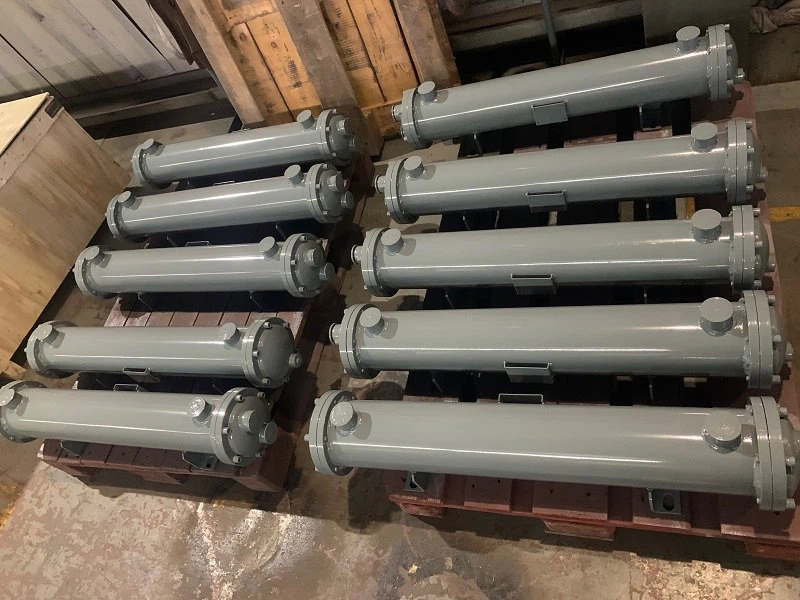
- Inspections: Conduct regular inspections of the pressure vessel storage tanks to identify any signs of damage, corrosion, or wear. Inspections can be visual, non-destructive testing (NDT), or a combination of both.
- Historical Data Analysis: Review historical data on the pressure vessel storage tanks, including maintenance records, incident reports, and inspection results. This can help you identify trends and patterns that may indicate potential hazards.
- Expert Consultation: Consult with experts in the field of pressure vessel design, construction, and operation. Experts can provide valuable insights and recommendations based on their experience and knowledge.
Step 3: Assess Risks
Once you have identified the hazards, the next step is to assess the risks associated with each hazard. Risk assessment involves evaluating the likelihood of an event occurring and the potential consequences if the event does occur. The following steps can be used to assess risks:
- Likelihood Assessment: Determine the likelihood of an event occurring based on historical data, industry experience, and expert judgment. Likelihood can be expressed as a probability, such as low, medium, or high.
- Consequence Assessment: Evaluate the potential consequences of an event occurring, including damage to the pressure vessel, injury to personnel, environmental impact, and financial loss. Consequences can be classified as minor, moderate, or severe.
- Risk Rating: Combine the likelihood and consequence assessments to assign a risk rating to each hazard. Risk ratings can be used to prioritize risks and determine the appropriate risk management strategies.
Step 4: Evaluate Risk Controls
After assessing the risks, the next step is to evaluate the existing risk controls in place to mitigate the risks. Risk controls can be classified into several categories, including:
- Engineering Controls: These include measures such as design modifications, installation of safety devices, and use of protective coatings. For example, installing a pressure relief valve on a pressure vessel can help prevent overpressure and reduce the risk of rupture or explosion.
- Administrative Controls: These include policies, procedures, and training programs designed to ensure safe operation and maintenance of the pressure vessel storage tanks. For example, implementing a maintenance schedule and providing training to operators can help reduce the risk of human error.
- Personal Protective Equipment (PPE): PPE can be used to protect personnel from potential hazards associated with pressure vessel storage tanks. For example, wearing protective clothing, gloves, and goggles can help prevent injury from chemical splashes or high-pressure steam.
Evaluate the effectiveness of the existing risk controls in reducing the risks to an acceptable level. If the existing risk controls are not sufficient, consider implementing additional risk controls or modifying the existing ones.
Step 5: Develop Risk Management Strategies
Based on the risk assessment and evaluation of risk controls, develop risk management strategies to address the identified risks. Risk management strategies can be classified into several categories, including:
- Risk Avoidance: Avoiding the risk altogether by eliminating the hazard or not engaging in the activity that poses the risk. For example, if a pressure vessel is found to be at high risk of failure, it may be decided to replace the vessel or discontinue its use.
- Risk Reduction: Implementing measures to reduce the likelihood or consequences of the risk. For example, installing additional safety devices or improving maintenance procedures can help reduce the risk of equipment failure.
- Risk Transfer: Transferring the risk to another party, such as an insurance company or a contractor. For example, purchasing insurance coverage for the pressure vessel storage tanks can help transfer the financial risk associated with potential accidents or damage.
- Risk Acceptance: Accepting the risk if the cost of implementing risk controls is greater than the potential benefits. However, risk acceptance should be a conscious decision based on a thorough understanding of the risks and the organization's risk tolerance.
Step 6: Implement and Monitor Risk Management Strategies
Once the risk management strategies have been developed, implement them and monitor their effectiveness. This involves:
- Communication and Training: Communicate the risk management strategies to all relevant personnel, including operators, maintenance staff, and management. Provide training to ensure that personnel understand their roles and responsibilities in implementing the risk management strategies.
- Implementation: Implement the risk management strategies as planned. This may involve making changes to the design, construction, operation, or maintenance of the pressure vessel storage tanks.
- Monitoring and Review: Monitor the effectiveness of the risk management strategies on an ongoing basis. Regularly review the risk assessment and evaluation of risk controls to ensure that they remain relevant and up-to-date. Make adjustments to the risk management strategies as needed based on the monitoring and review results.
Step 7: Continuously Improve the Risk Assessment Process
The risk assessment process is not a one-time activity but an ongoing process that should be continuously improved. Regularly review and update the risk assessment process to incorporate new information, lessons learned, and changes in the operating environment. This can help ensure that the risk assessment process remains effective in identifying and managing risks associated with pressure vessel storage tanks.
Conclusion
Conducting a risk assessment for pressure vessel storage tanks is a critical process that helps ensure the safety, compliance, and efficient operation of these essential industrial assets. By following the steps outlined in this blog post, you can conduct a comprehensive risk assessment and develop effective risk management strategies to address the identified risks.
As a pressure vessel storage tank supplier, we offer a wide range of high-quality products, including ASME High Stainless Steel Pressure Vessel, Compressor Oil Cooler, and ASME “U” Stainless Steel Filter. Our products are designed and manufactured to meet the highest standards of quality and safety.
If you are interested in learning more about our products or need assistance with conducting a risk assessment for your pressure vessel storage tanks, please contact us. We look forward to the opportunity to discuss your specific requirements and provide you with the best solutions.
References
- ASME Boiler and Pressure Vessel Code
- OSHA Regulations for Pressure Vessels
- Industry Standards for Pressure Vessel Design and Construction


