
 +86-510-88156399



Hey there! I'm from a high-quality pressure vessel supplier, and today we're going to dig deep into the corrosion - resistance properties of high-quality pressure vessels.
Why Corrosion Resistance Matters
Let's start with why corrosion resistance is such a big deal for pressure vessels. Pressure vessels are used in a variety of industries, like oil and gas, chemical processing, and power generation. These environments can be super harsh on the vessels. Corrosion can weaken the structure of a pressure vessel over time, which not only shortens its lifespan but also poses a huge safety risk. A corroded vessel might rupture, leading to leaks of hazardous materials or, in extreme cases, even explosions.
Key Corrosion - Resistance Factors in High - Quality Pressure Vessels
Material Selection
One of the most important aspects of corrosion resistance is the material used to make the pressure vessel. High - quality vessels often use stainless steel. Stainless steel has a natural oxide layer on its surface, which acts as a protective barrier against corrosion. This layer is self - healing, meaning that if it gets damaged, it can reform under the right conditions. For example, 316 stainless steel is a popular choice for pressure vessels in marine and chemical environments because it contains molybdenum, which enhances its resistance to pitting and crevice corrosion.
Another material option is carbon steel with a corrosion - resistant coating. Carbon steel is strong and relatively inexpensive, but it's prone to rust. By applying a high - quality coating, like epoxy or zinc - based paint, we can significantly improve its corrosion resistance. The coating acts as a physical barrier between the steel and the corrosive environment.
Design and Fabrication
The design and fabrication of a pressure vessel also play a crucial role in its corrosion - resistance. A well - designed vessel will have smooth internal surfaces and minimal crevices. Crevices can trap moisture and corrosive substances, creating an ideal environment for corrosion to start. During the fabrication process, proper welding techniques are essential. Poorly welded joints can create stress points and areas where corrosion can initiate. For example, using the right welding filler material that is compatible with the base material can prevent galvanic corrosion, which occurs when two different metals are in contact in an electrolyte.
Surface Finish
The surface finish of a pressure vessel is another factor that affects its corrosion resistance. A smooth surface is less likely to accumulate dirt, debris, and corrosive substances compared to a rough surface. After fabrication, the vessel's surface can be polished to achieve a smoother finish. Additionally, surface treatments like passivation can be applied to stainless steel vessels. Passivation removes free iron from the surface and enhances the formation of the protective oxide layer, further improving corrosion resistance.
Corrosion - Resistance in Different Types of High - Quality Pressure Vessels
Air Receiver Tanks
Air receiver tanks are used in compressed air systems. The main source of corrosion in these tanks is the moisture in the compressed air. As the air cools in the tank, water can condense on the internal surfaces. High - quality air receiver tanks are designed with proper drainage systems to remove this condensed water. They are also often made from materials with good corrosion resistance, like stainless steel or carbon steel with a protective coating.
Asme “U” Air Tank
ASME “U” air tanks need to meet strict industry standards, including those related to corrosion resistance. These tanks are used in applications where safety is of the utmost importance. They are typically constructed from high - grade materials and undergo rigorous quality control during fabrication. The ASME standards ensure that the tanks are designed and built in a way that minimizes the risk of corrosion and other defects.
Compressor Oil Cooler
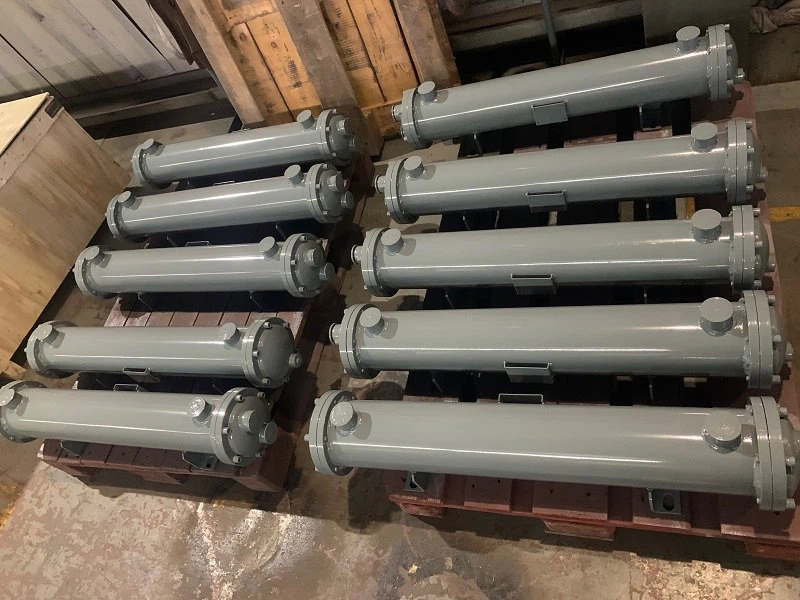
Compressor oil coolers are exposed to both oil and water, and they can be subject to different types of corrosion. For example, the oil can contain contaminants that can cause corrosion, and the water side can be affected by factors like water quality and temperature. High - quality compressor oil coolers are made from materials that can withstand these conditions. They may have internal heat exchanger tubes made from copper - nickel alloys, which have excellent corrosion resistance in both fresh and saltwater environments.
Testing and Maintenance for Corrosion Resistance
To ensure the long - term corrosion resistance of high - quality pressure vessels, proper testing and maintenance are essential. Regular non - destructive testing methods, like ultrasonic testing and magnetic particle testing, can be used to detect any signs of corrosion or defects beneath the surface of the vessel. Visual inspections should also be carried out at regular intervals to check for external corrosion.
Maintenance activities include cleaning the vessel regularly to remove any dirt or corrosive substances. For coated vessels, the coating should be inspected for damage and repaired if necessary. In some cases, adding corrosion inhibitors to the fluid inside the vessel can also help slow down the corrosion process.
Wrapping It Up and Reaching Out
In conclusion, the corrosion - resistance properties of high - quality pressure vessels are determined by a combination of factors, including material selection, design, fabrication, surface finish, and proper maintenance. At our company, we take all these factors into account when manufacturing pressure vessels. We understand that our customers rely on our products to perform safely and efficiently in harsh environments.
If you're in the market for high - quality pressure vessels that offer excellent corrosion resistance, whether it's an Air Receiver Tanks, an Asme “U” Air Tank, or a Compressor Oil Cooler, we'd love to talk to you. Contact us to discuss your specific needs, and let's work together to find the perfect pressure vessel solution for your business.

References
- Fontana, M. G. (1986). Corrosion Engineering. McGraw - Hill.
- Uhlig, H. H., & Revie, R. W. (1985). Corrosion and Corrosion Control. Wiley.
- ASME Boiler and Pressure Vessel Code. ASME International.


