
 +86-510-88156399



Hey there! I'm a supplier of pressure vessels, and I often get asked about the certification requirements for pressure vessel manufacturers. It's a crucial topic, especially for those in the industry who want to ensure they're meeting all the necessary standards. In this blog, I'll break down these requirements and give you a better understanding of what it takes to be a certified pressure vessel manufacturer.
Understanding the Basics of Pressure Vessel Certification
First off, why are certifications so important? Well, pressure vessels are used in a wide range of industries, from oil and gas to food and beverage. These vessels store and transport various substances under pressure, which means there's a significant risk involved if they're not properly designed, manufactured, and maintained. Certifications act as a guarantee that a manufacturer has met specific quality and safety standards.
One of the most well - known certification bodies is the American Society of Mechanical Engineers (ASME). Their standards are widely recognized around the world. To get an ASME certification, a manufacturer has to go through a rigorous process.
ASME Certification Requirements
Design and Engineering Standards
ASME has a set of codes, such as the ASME Boiler and Pressure Vessel Code (BPVC). This code covers everything from the materials used in construction to the design calculations. For example, when designing a pressure vessel, the manufacturer must ensure that the vessel can withstand the maximum pressure it will be subjected to during its operation. The calculations need to be accurate, taking into account factors like temperature, corrosion, and the type of substance stored inside.
Manufacturers also need to use approved materials. ASME has a list of acceptable materials, and they must be able to prove the quality and origin of these materials. This is to ensure that the vessel is made of high - quality materials that can handle the pressure and other environmental factors.
Manufacturing Processes
The manufacturing process is another critical aspect of ASME certification. Every step, from cutting the metal to welding and assembly, must follow strict procedures. Welding, in particular, is a key area. Welders need to be certified, and the welding process must be carefully monitored. ASME has specific requirements for the quality of welds, including the size, shape, and strength of the welds.
Inspection is also a continuous process during manufacturing. Non - destructive testing methods, such as ultrasonic testing and radiography, are used to check for any internal defects in the vessel. This helps to ensure that the vessel is free from cracks or other flaws that could compromise its safety.
Quality Control and Documentation
Quality control is an ongoing process in pressure vessel manufacturing. A manufacturer must have a quality control system in place to ensure that every vessel meets the ASME standards. This includes regular inspections, testing, and record - keeping.
Documentation is also a crucial part of the certification process. Manufacturers need to keep detailed records of everything, from the design calculations to the inspection results. These records act as evidence that the vessel has been manufactured according to the required standards.
Other Certification Requirements
National and Local Regulations
In addition to ASME certification, pressure vessel manufacturers also need to comply with national and local regulations. Different countries and regions may have their own safety and environmental standards. For example, in some areas, there are strict regulations regarding the disposal of waste materials generated during the manufacturing process.
Industry - Specific Requirements
Certain industries may have their own unique requirements for pressure vessels. For instance, the pharmaceutical industry may require pressure vessels to be made of materials that are suitable for storing and processing pharmaceutical products. These vessels may also need to meet strict hygiene and cleanliness standards.
Our Company's Experience with Certification
As a pressure vessel supplier, we've gone through the certification process ourselves. It's not an easy task, but it's definitely worth it. Our commitment to meeting these certification requirements has allowed us to offer high - quality pressure vessels to our customers.
We have a team of experienced engineers and technicians who are well - versed in the ASME codes and other relevant standards. They ensure that every vessel we manufacture is designed and built to the highest quality. We also have a state - of - the - art quality control system that helps us maintain consistency in our products.
Our Product Range
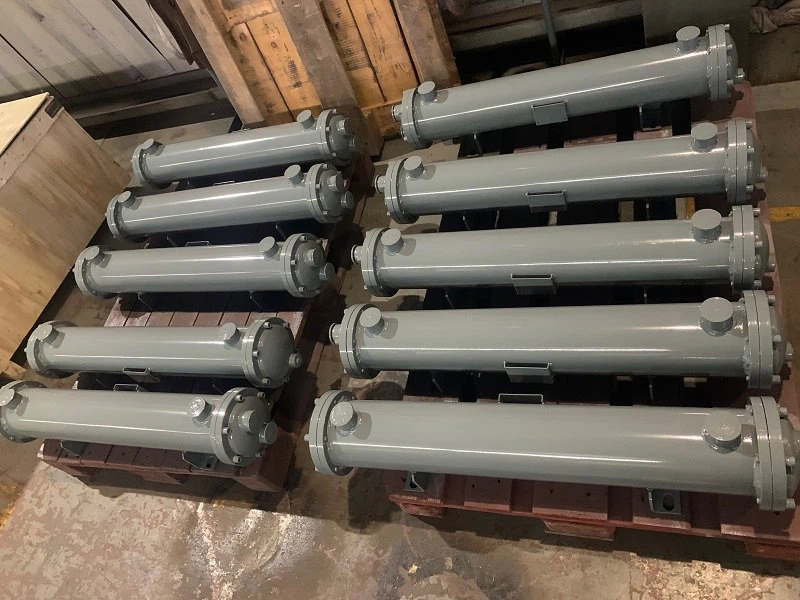
We offer a wide range of pressure vessels to meet different customer needs. Some of our popular products include the ASME Stainless Steel Pressure Vessel, which is made of high - quality stainless steel and is suitable for various applications. Another product is the Compressor Oil Cooler, which is designed to cool the oil in compressors efficiently. We also provide Non - standard Customized ASME "U" Marked Storage Tanks for customers who have specific requirements.

Why Choose a Certified Manufacturer
When you're looking for a pressure vessel, it's important to choose a certified manufacturer. A certified manufacturer has gone through the necessary steps to ensure that their vessels are safe and reliable. This gives you peace of mind knowing that you're getting a high - quality product that meets all the necessary standards.
Certified manufacturers also tend to have better customer service. They have the knowledge and experience to answer your questions and provide you with the support you need. They can also offer customized solutions to meet your specific requirements.
Contact Us for Your Pressure Vessel Needs
If you're in the market for a pressure vessel, we'd love to hear from you. Whether you need a standard vessel or a customized solution, we have the expertise and resources to meet your needs. Our team is ready to assist you with any questions you may have and guide you through the procurement process. Don't hesitate to reach out to us for a quote or to discuss your requirements in more detail.
References
- American Society of Mechanical Engineers (ASME). Boiler and Pressure Vessel Code.
- National and local regulatory bodies' safety and environmental standards.
- Industry - specific guidelines from relevant sectors.


