
 +86-510-88156399



Operating a pressure vessel is a task that demands strict adherence to a set of well - defined rules and safety protocols. As a pressure vessel supplier, I understand the critical importance of these rules in ensuring the safe and efficient operation of these equipment. In this blog, I will delve into the essential rules for operating a pressure vessel, highlighting their significance and how they contribute to overall safety.
Pre - Operation Checks
Before starting the operation of a pressure vessel, a series of thorough pre - operation checks must be conducted. Firstly, a visual inspection of the vessel is necessary. This includes checking for any visible signs of damage such as cracks, dents, or corrosion on the outer surface of the vessel. Any such defects could compromise the structural integrity of the vessel and lead to catastrophic failures. For instance, a small crack might expand under pressure, causing the vessel to rupture.
Secondly, all safety devices associated with the pressure vessel should be inspected. Safety valves are crucial components that prevent over - pressurization. They are designed to open automatically when the pressure inside the vessel exceeds a pre - set limit. The relief valve should be tested regularly to ensure it functions properly. Additionally, pressure gauges need to be checked for accuracy. An inaccurate pressure gauge can lead to operators misjudging the pressure inside the vessel, which is extremely dangerous.
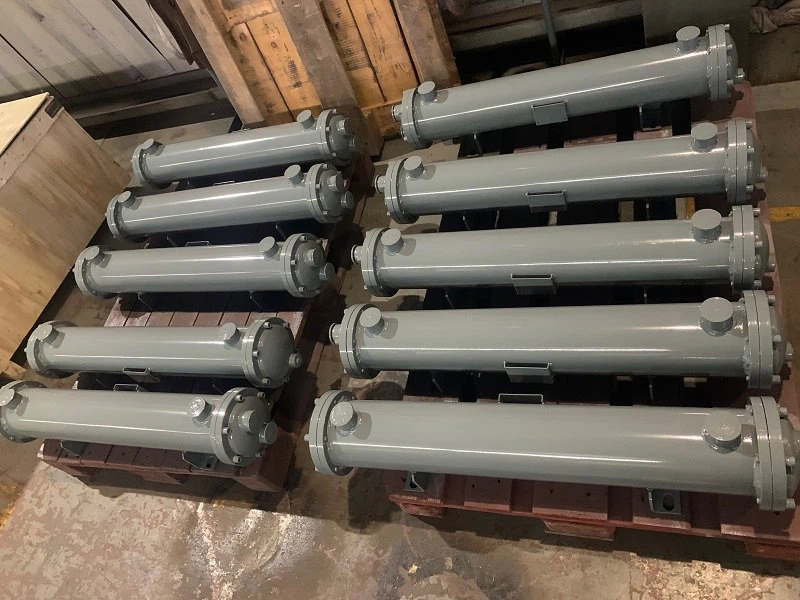

Operating Conditions
Maintaining the correct operating conditions is vital for the safe operation of a pressure vessel. The pressure and temperature inside the vessel must be kept within the specified limits. These limits are determined during the design and manufacturing process based on the material properties and the intended use of the vessel.
Exceeding the maximum pressure can cause the vessel to fail. For example, if a vessel is designed to operate at a maximum pressure of 100 psi and the pressure rises to 150 psi, the stress on the vessel walls may exceed their yield strength, leading to a rupture. Similarly, extreme temperatures can also affect the material properties of the vessel. High temperatures can cause the material to weaken, while low temperatures can make it brittle.
Training and Certification
Operators of pressure vessels must receive proper training and certification. They should be well - versed in the operation of the specific type of pressure vessel they are handling. Training programs typically cover topics such as the basic principles of pressure vessel operation, safety procedures, and emergency response.
Certification ensures that operators have the necessary knowledge and skills to operate the vessel safely. It is not only a legal requirement in many regions but also a measure to protect the lives of the operators and the public. For example, in the oil and gas industry, where pressure vessels are widely used, operators are required to have specialized certifications to handle high - pressure and high - temperature vessels.
Maintenance and Inspection
Regular maintenance and inspection are fundamental to the long - term safe operation of a pressure vessel. Maintenance includes tasks such as cleaning, lubrication, and replacement of worn - out parts. Cleaning helps to prevent the build - up of contaminants inside the vessel, which can cause corrosion or blockages.
Inspections should be carried out at regular intervals. Non - destructive testing methods, such as ultrasonic testing and radiographic testing, can be used to detect internal defects that are not visible to the naked eye. These inspections can identify potential problems early, allowing for timely repairs and preventing costly breakdowns or accidents.
Emergency Response
Despite all the precautions, emergencies can still occur. Therefore, having a well - defined emergency response plan is essential. The plan should include procedures for shutting down the vessel in case of an emergency, evacuating the area, and notifying the relevant authorities.
Operators should be trained to recognize the signs of an impending emergency, such as abnormal pressure or temperature readings. They should also know how to respond quickly and effectively to minimize the damage and ensure the safety of everyone involved.
Industry - Specific Considerations
Different industries have specific requirements when it comes to operating pressure vessels. For example, in the Compressor Oil Cooler industry, pressure vessels are used to cool the oil in compressors. These vessels need to be designed and operated to handle the specific temperature and pressure conditions associated with the compressor operation.
In the offshore oil and gas industry, Offshore Oil Drilling Rig pressure vessels are exposed to harsh environmental conditions, such as high winds, waves, and saltwater corrosion. Special precautions need to be taken to ensure the integrity of these vessels.
Quality Assurance
As a pressure vessel supplier, we are committed to providing High Quality Pressure Vessel that meet the highest standards of safety and performance. Our vessels are manufactured using high - quality materials and advanced manufacturing techniques. We also conduct rigorous quality control checks at every stage of the production process to ensure that our products meet or exceed the relevant industry standards.
Conclusion
Operating a pressure vessel safely requires strict adherence to a comprehensive set of rules. From pre - operation checks to emergency response, every step is crucial in ensuring the safety of the operators and the integrity of the vessel. As a pressure vessel supplier, we are dedicated to providing high - quality products and supporting our customers in operating these vessels safely.
If you are in the market for a pressure vessel or need more information about our products, we encourage you to reach out to us for a detailed discussion. Our team of experts is ready to assist you in finding the right solution for your specific needs. Let's work together to ensure the safe and efficient operation of your pressure vessels.


