
 +86-510-88156399



Hey there! As a supplier of Shell and Tube Exchangers, I've been getting a lot of questions lately about how long these bad boys last. So, I thought I'd sit down and write a blog post to share what I know about the lifespan of shell and tube exchangers.
What are Shell and Tube Exchangers Anyway?
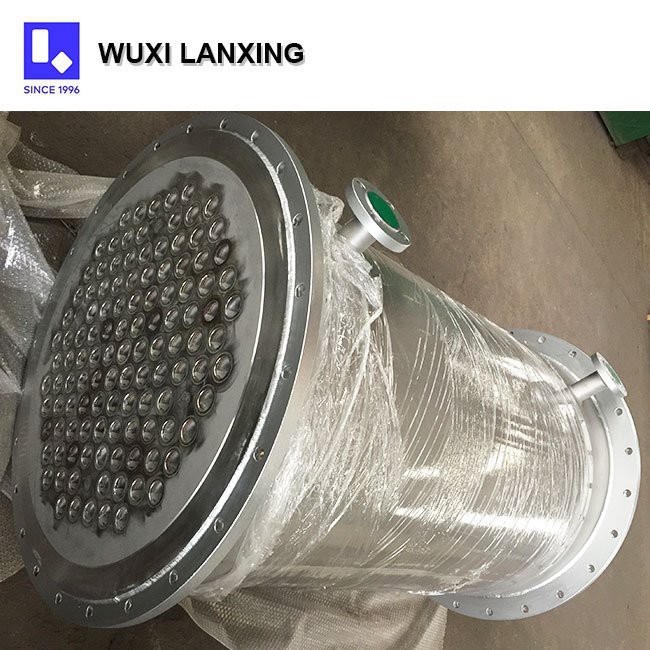
Before we jump into lifespan, let's quickly go over what shell and tube exchangers are. These are pieces of equipment commonly used in various industries to transfer heat between two fluids. One fluid flows through a bundle of tubes, while the other flows around those tubes in the shell. They're super versatile and can be found in power plants, refineries, chemical processing plants, and even in some HVAC systems.

Factors Affecting the Lifespan
There isn't a one - size - fits - all answer to how long a shell and tube exchanger will last. It depends on a bunch of factors, and I'll break them down for ya.
1. Material Quality
The materials used to build the exchanger play a huge role. For example, a Titanium Shell and Tube Heat Exchanger is made of titanium, which is known for its excellent corrosion resistance. This means it can last longer in harsh environments compared to an exchanger made of a less - resistant material. If you're dealing with corrosive fluids, choosing a high - quality, corrosion - resistant material is a no - brainer.
2. Operating Conditions
The way the exchanger is used has a big impact on its lifespan. If it's operating at high temperatures and pressures, it'll experience more stress. High - temperature applications can cause the materials to expand and contract, leading to fatigue over time. Also, the type of fluids passing through the exchanger matters. Fluids with high levels of contaminants, like dirt, sand, or chemicals, can cause erosion and fouling. Fouling is when stuff builds up on the tubes' surfaces, which reduces heat transfer efficiency and can also lead to corrosion.
3. Maintenance Practices
Regular maintenance is key to extending the lifespan of a shell and tube exchanger. This includes things like cleaning the tubes to prevent fouling, checking for leaks, and inspecting the seals. Neglecting maintenance can cause small problems to turn into big, expensive ones. For example, a small leak might not seem like a big deal at first, but if left unchecked, it can lead to further corrosion and eventually the failure of the exchanger.
Typical Lifespan Ranges
On average, a well - maintained shell and tube exchanger can last anywhere from 15 to 25 years. But that's a pretty wide range, right? Let's break it down further.
Short - Lifespan Scenarios
If the exchanger is operating in a really tough environment, like a chemical plant where it's exposed to highly corrosive chemicals, and maintenance is lacking, it might only last 5 to 10 years. The constant exposure to corrosive substances can eat away at the materials, and without proper cleaning and inspection, fouling and leaks can quickly become major issues.
Long - Lifespan Scenarios
On the other hand, if the exchanger is made of high - quality materials, is used in relatively mild operating conditions (like low temperatures, low pressures, and clean fluids), and has a strict maintenance schedule, it could easily last 25 years or more. Some well - cared - for exchangers in ideal conditions have been known to operate for 30 years or even longer.
The Importance of Choosing the Right Exchanger
When you're in the market for a shell and tube exchanger, it's crucial to choose one that's suitable for your specific needs. If you need a reliable solution for cooling hydraulic oil, for instance, you might want to check out our Hydraulic Oil Cooler. It's designed to handle the demands of hydraulic systems, ensuring efficient heat transfer and a longer lifespan.
At our company, we offer a wide range of Shell And Tube Heat Exchangers to meet different requirements. Whether you need a small unit for a local business or a large - scale exchanger for an industrial plant, we've got you covered.
How to Maximize the Lifespan
If you already have a shell and tube exchanger or are planning to get one, here are some tips to make it last as long as possible:
Regular Inspections
Set up a schedule for inspections. This can help you catch problems early, before they cause significant damage. Look for signs of corrosion, leaks, or fouling during these inspections.
Proper Cleaning
Clean the tubes regularly to prevent fouling. Depending on the type of fluids and operating conditions, you might need to clean them monthly, quarterly, or annually. There are different cleaning methods available, from mechanical cleaning to chemical cleaning.
Monitor Operating Conditions
Keep an eye on the temperature, pressure, and flow rates of the fluids passing through the exchanger. Any sudden changes could indicate a problem, so it's important to investigate and address these issues right away.
Contact Us for More Information
We know that choosing the right shell and tube exchanger and ensuring its long - term performance can be a challenge. That's why our team of experts is here to help. Whether you have questions about the lifespan of our products, need advice on maintenance, or are ready to place an order, we're just a message or call away.
If you're interested in learning more about our Shell And Tube Heat Exchangers, don't hesitate to reach out. We'll be happy to provide you with detailed product information and help you find the perfect solution for your needs.


