
 +86-510-88156399



Hey there! As a heat exchanger supplier, I've seen my fair share of heat exchangers in various states of health. Over the years, I've picked up on some tell - tale signs that a heat exchanger is on its last legs and might need to be replaced. In this blog, I'll share these signs with you so you can keep an eye on your equipment and avoid unexpected breakdowns.
1. Decreased Heat Transfer Efficiency
One of the most obvious signs that a heat exchanger is in trouble is a drop in heat transfer efficiency. You see, the whole point of a heat exchanger is to transfer heat from one fluid to another. When it starts to lose its ability to do this effectively, it's a red flag.
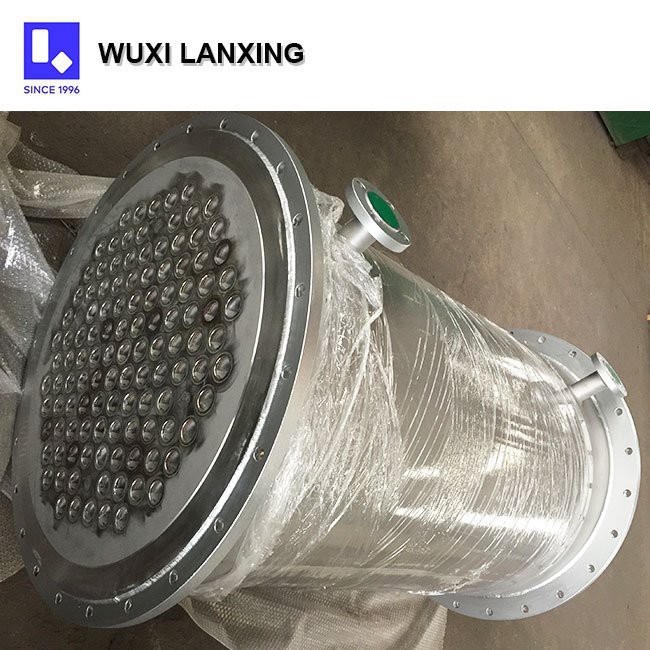
There are a few reasons why heat transfer efficiency might decrease. One common culprit is fouling. Over time, dirt, scale, and other debris can build up on the heat transfer surfaces. This acts as an insulator, reducing the rate at which heat can be transferred between the fluids. For example, if you're using a Shell and Tube Exchangers, and the tubes get clogged with scale, the hot fluid flowing through them won't be able to transfer its heat as easily to the fluid in the shell.
Another reason could be a problem with the flow rate. If the flow of either the hot or cold fluid is restricted, it can disrupt the normal heat transfer process. You might notice that the outlet temperature of the fluids isn't reaching the desired levels. For instance, if the cold fluid that's supposed to be heated up isn't getting as warm as it should, it's likely that the heat exchanger isn't doing its job properly.
2. Increased Pressure Drop
A significant increase in pressure drop across the heat exchanger is another sign that something's not right. Pressure drop refers to the difference in pressure between the inlet and the outlet of the heat exchanger. When the pressure drop goes up, it means that the fluid is having a harder time flowing through the system.
This can be caused by several factors. As I mentioned earlier, fouling can play a role. The build - up of debris in the tubes or channels restricts the flow of the fluid, causing the pressure to increase. Also, a damaged or blocked flow path can lead to increased pressure drop. For example, if there's a kink in a tube in a U Tube Heat Exchanger, the fluid will face more resistance as it tries to pass through.

High pressure drop isn't just a nuisance; it can also put extra strain on the pumps and other components in the system. This can lead to increased energy consumption and potentially cause premature failure of these components.
3. Leakage
Leakage is a serious issue that should never be ignored. If you notice any signs of fluid leakage from the heat exchanger, it's a clear indication that it needs to be inspected closely and possibly replaced.
Leaks can occur for various reasons. Corrosion is a major cause. Over time, the materials of the heat exchanger can corrode, especially if they're exposed to harsh chemicals or high - temperature fluids. For example, in a Titanium Shell and Tube Heat Exchanger, although titanium is quite corrosion - resistant, it can still be affected under certain conditions.
Poor installation or improper maintenance can also lead to leaks. If the gaskets aren't properly sealed or if there are cracks in the shell or tubes, fluids can escape. Not only does leakage waste valuable fluids, but it can also pose safety risks, especially if the fluids are toxic or flammable.
4. Noise and Vibration
Unusual noise and vibration coming from the heat exchanger are often signs of internal problems. If you hear rattling, banging, or other strange noises, it could mean that there are loose parts inside the heat exchanger. This could be due to wear and tear, or a problem with the mounting.
Vibration can also be a symptom of a more serious issue. It might be caused by uneven flow distribution, which can create imbalances in the system. For example, if the fluid is flowing more on one side of the heat exchanger than the other, it can cause the unit to vibrate. Prolonged vibration can damage the heat exchanger and its connections, leading to further problems down the line.
5. Frequent Maintenance Requirements
If you find yourself constantly performing maintenance on the heat exchanger, it might be time to consider a replacement. While regular maintenance is important to keep the heat exchanger running smoothly, if you're having to do it more often than usual, it's a sign that the unit is wearing out.
For example, if you're constantly cleaning the tubes to remove fouling or replacing gaskets due to leaks, it could mean that the heat exchanger is no longer in good condition. Each time you perform maintenance, there's also a risk of causing further damage, especially if the components are already weak.
6. Visual Damage
Sometimes, the signs that a heat exchanger needs to be replaced are visible to the naked eye. Look for signs of physical damage such as cracks, dents, or corrosion on the shell, tubes, or other components. Cracks can allow fluids to leak out and can also weaken the structure of the heat exchanger.
Corrosion can eat away at the metal, reducing its strength and integrity. If you see large areas of corrosion on the surface of the heat exchanger, it's likely that the internal components are also affected. Dents can distort the flow paths and disrupt the normal operation of the heat exchanger.
Making the Decision to Replace
Deciding whether to replace a heat exchanger can be a tough call. You have to weigh the cost of replacement against the cost of continued maintenance and the potential losses due to reduced efficiency or breakdowns. However, in many cases, replacing a failing heat exchanger can save you money in the long run.
A new heat exchanger will be more energy - efficient, reducing your energy bills. It'll also be more reliable, minimizing the risk of unexpected downtime. And with the latest technologies, you can get a heat exchanger that's better suited to your specific needs.
If you've noticed any of the signs I've mentioned above in your heat exchanger, don't hesitate to reach out. As a heat exchanger supplier, I can help you find the right replacement for your system. Whether you need a Titanium Shell and Tube Heat Exchanger, a Shell and Tube Exchangers, or a U Tube Heat Exchanger, I've got you covered.
Don't let a failing heat exchanger cause problems for your operations. Contact us today to discuss your heat exchanger needs and let's find the best solution for you.
References
- Incropera, F. P., & DeWitt, D. P. (2002). Fundamentals of Heat and Mass Transfer. John Wiley & Sons.
- Hewitt, G. F., Shires, G. L., & Bott, T. R. (1994). Process Heat Transfer. CRC Press.


